 Credit: Star Maid Games
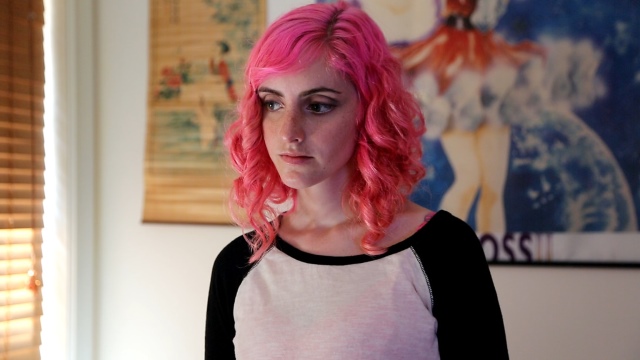
Cibele is a story about a long distance relationship. You play as Nina, who has met a young man named Blake inside a fictional MMORPG called "Valtameri". She ends up falling in love with him. He seems to feel the same way, but unfortunately they live across the continent from each other. How can they make this work? Do they even want to? The lines between flirtation and commitment can be confusing in an online relationship, but they can also become surprisingly passionate. This game explores all of this stuff, and does so with brutal honesty and integrity.
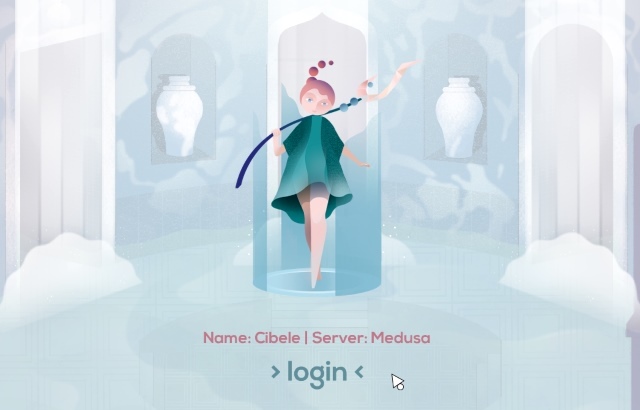
Cibele is essentially a 2D point-and-click adventure game. I use the term "game" here loosely, however, as the main focus rests entirely on the story. That is to say, there isn't much "game" here at all. As you play within Valtameri, you will quickly notice that there are no items, no experience points, no level-ups, and indeed, no way to die.
 Credit: Star Maid Games
But that is entirely the point. The "game" only functions as a backdrop to the story, and the story works best when it is uninterrupted. I happen to like a good story, so this suited me just fine, but if you're the type of gamer who needs constant action and explosions in order to be happy, I would suggest Cibele is not for you. If you do like stories, however, you will find that the writing is genuine and relatable, the characters are interesting, and the voice acting is competent. This game kept me interested throughout, and when the ending came (far too soon, at that) it left me wondering what happened next.
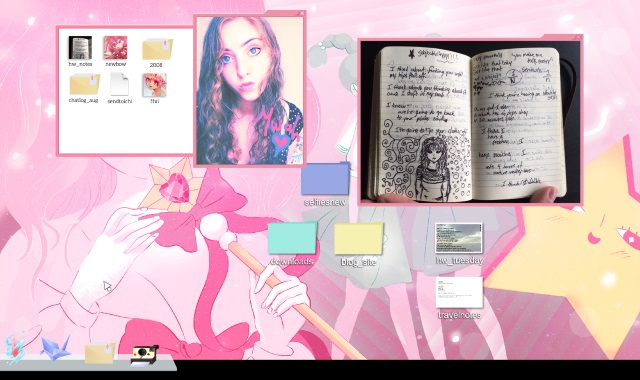
I don't want to give too much away, as it is a very short game (roughly three hours), but what I will say is that it is based on real events that occurred in the life of the creator, Nina Freeman, and the autobiographical aspect only lends strength to the narrative. It is absolutely packed with supplemental content in the form of letters, poems, photographs, chat logs, and blog posts that can be viewed in-between the chapters. Most of this stuff feels like it was harvested from Nina's personal files from her actual hard drive. At times, I felt like I was reading a diary. It takes a lot of courage to put such a personal part of your life out there for all the world to see, and I can only admire her for doing so.
 Credit: Star Maid Games
My only real gripe with Cibele relates to gameplay performance. I experienced some severe frame hitching during the Valtameri sequences, despite the fact that my PC exceeded the recommended system requirements. There were also some long load times. However, Nina used this opportunity to inject some humour into the game, and you will hear her saying "So slowwwww...", as though she is referring to Valtameri's laggy servers. This self-awareness is very clever; it is as though she is saying to her audience that she knows Cibele isn't the best piece of code, but nevertheless is asking us to bear with her. I was only happy to do so.
It feels a bit strange to review Cibele as a game. Instead, I would describe it as a piece of art that is using the video game medium as the means to convey its message. This is not a bad thing. It's just a thing. It's different. Different can be good.
I enjoyed Cibele. We need more games like this.