
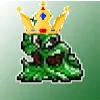

Lost Words: Beyond the Page is a story about a story about a story. I can already tell this is going to be a fun write up. In one shape or another, it follows Izzy. She’s decided she wants to be a writer (don’t do it! Run!), and has taken onboard the advice that the best way to improve your writing is to write. You join her taking her first faltering steps into keeping a journal, where she chronicles all of the things. She writes mainly about her family, and all seems to be running fine until they’re suddenly not.
Izzy’s going to have to deal with a significant loss, the kind we’ve all had to deal with at some point or another, and she’s going to have to do so at a tender age. She isn’t going to take it well; it’s the kind of event that will often shatter someone’s innocent adolescent. You know it’s coming. You can see that things are starting to go wrong behind Izzy’s cheery recollections of her family’s shenanigans long before she does. To Izzy, the very idea that something so downright terrible could happen to her and hers is a completely alien concept. So, at first she talks around it. Then she tries to fix it. Then she rages against the unfairness of it all. Then it breaks her.
 Credit: Sketchbook Games/Modus Games
Even though you know this is coming, it still sucks. Maybe because it’s a more relatable disaster than video gaming often presents. None of us have stared down an alien invasion or starved off Armageddon, but we’ve all lost someone we weren’t equipped to lose. Lost Words is at its most effective when it tackles this directly, making Izzy’s journal interactive, having an impish caricature of the girl twirl and leap between the written words, seeking out bonus meanings and solving light puzzles. Here, you hear directly from Izzy as she struggles to understand her situation, her mood osculating between the pages. But the journal shares a second purpose; throughout Lost Words Izzy has been trying to write a story. While it starts out as a cheerful fantasy adventure, as Izzy’s mood begins to sour, so does her tale.
The tale becomes, I guess, the traditionally videogame-y portion of Lost Words, being constructed before your eyes as a puzzle platformer of sorts that you build alongside Izzy as it unravels. You’re responsible for several snap decisions along the way, such as the protagonist’s name and personality, as well as other light worldbuilding choices along the way. To begin with, it’s a story about a young girl finding reason to seek out adventure. The ancient fireflies that guard her treetop village have been scattered by the invasion of an angry dragon, and it’s up to her to recover them. Armed with a magical book, she leaves the only home she’s ever known, and ventures into the outside world!
 Credit: Sketchbook Games/Modus Games
What follows is a very basic platformer with a few clever twists. The protagonist’s most potent power lies within her magic book, in which she can store numerous magical words. You can drag these words from the book and have them interact with the world around her, commanding blocks of stone to rise, for example, or repairing long-crumbled bridges to their former glory. It’s pretty twee at times, but that’s the trap! The story that innocent, undamaged Izzy wants to tell is carefree and playful. As her mood darkens, her efforts to fortify her chosen tone crumble to dust. Her fantasy world becomes less lackadaisical, less forgiving. It asks things of the protagonist. It takes important things away.
The two different aspects become more intertangled until they become inseparable reflections. The tale changes because Izzy changes, and it’s not always the most comfortable process to watch two worlds fall apart. Though often the weakest side of Lost Words, the conclusion to Izzy’s tale is pragmatically beautiful, not offering shallow platitudes or hiding the harshness of reality among its fantasy folds, but trying to personify acceptance, begrudging or not, that things have to change. Everything has to move on.
Everything has to end.


